

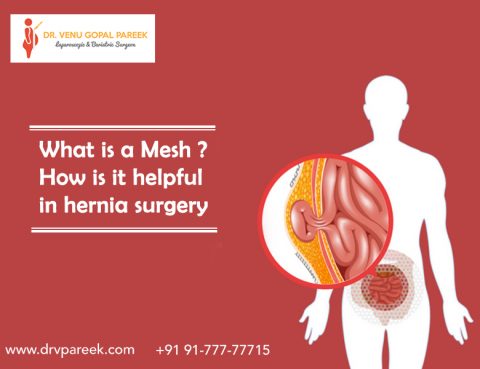
Hernias often recur even after surgery. To strengthen hernia repair and reduce the recurrence rate, many surgeons started using surgical meshes in 1980. Since then, mesh-based hernia repairs have been increased largely by 2000. Approximately 10% of groin hernias are repaired without mesh. Laparoscopic surgeons or urologists generally perform hernia surgeries and use surgical mesh…

The safe surgical practice has always revolved around preoperative evaluation and risk assessment, and due to the COVID19 pandemic, these efforts have become even more critical to patient safety. According to some studies, patients with Coronavirus disease who undergo surgery have worse clinical outcomes, higher complication rates and mortality. Experts say that surgery should be…

The novel Coronavirus (COVID) has continued to evolve with new variants and mutations, and the Delta variant was thought to be the most dangerous variant of all. But recently, “Omicron” – the new COVID variant has entered the world. It was first discovered in South Africa, and this variant is considered highly dangerous. Feeling the…

Thyroid disease is a common health condition that affects millions of people around the world. It is estimated that many people with thyroid problems are not aware that they have this condition. Thyroid problems can affect every body system, so early diagnosis and treatment of this condition are very important. Here are the two common…
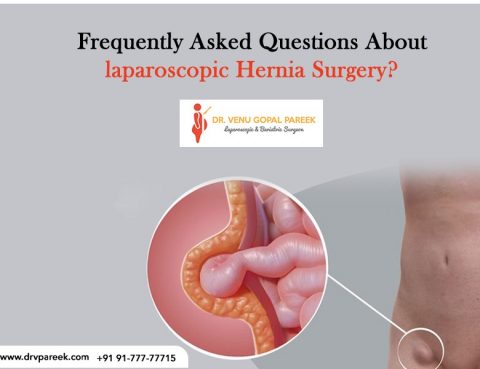
Laparoscopic hernia repair is a minimally invasive surgery that uses a laparoscope, a thin, telescope-like instrument, and some surgical tools that are used to repair the hernia. The incisions are smaller and are made in the lower abdomen. Now the laparoscope with a camera head is inserted into the abdomen through the incision to visualize…
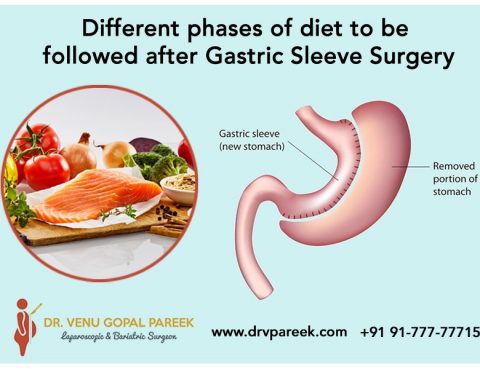
A gastric sleeve diet benefits people who have undergone sleeve gastrectomy or gastric sleeve surgery and are recovering from the surgery. After the surgery, you will be instructed by your surgeon or a registered dietitian about your diet, and they will also explain the type of food and the quantity of food you should eat…
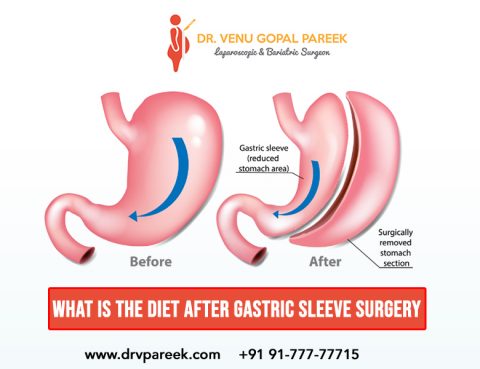
Gastric Sleeve Surgery or Sleeve Gastrectomy is a surgical procedure performed to lose extra weight. Around 80% of your stomach will be removed during this procedure. If you plan to undergo a Sleeve Gastrectomy, you should follow a highly restrictive diet for two weeks before your gastric sleeve surgery. Diet before the gastric sleeve procedure…


It is quite surprising to know how frequently hernias occur!!! For example, the common inguinal hernia affects more than 27% of men and 3% of women who experience hernia problems. Typically, hernias require surgical procedures in most cases to fix them. Patients often wonder if they can exercise and do other physical activities after hearing…