

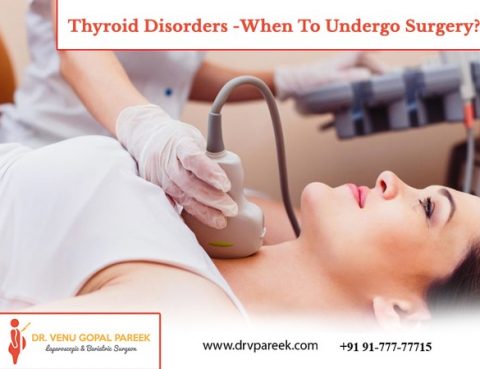
The thyroid is a small, butterfly-shaped gland. The thyroid is located in the centre of the lower neck, below the voice box and around the front half of the windpipe. It looks like a fly just above the collarbone and has two halves (lobes) connected by a small piece of tissue (isthmus). The thyroid is…

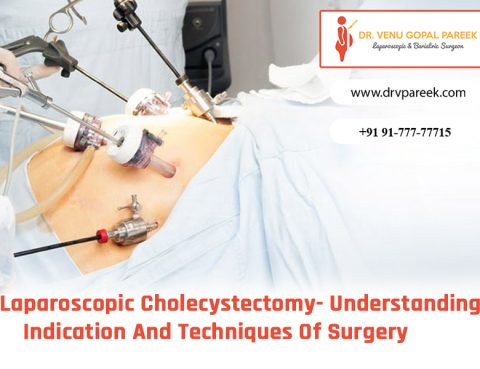
Gallbladder disease is one of the most common procedures performed in India. Before 1991, the open technique was the standard procedure for cholecystectomy. This usually involves doing an intraoperative cholangiogram if having CBD stones and the patient usually stays at home 2 to 6 days postoperatively. With the advent of laparoscopic cholecystectomy, the gold standard…
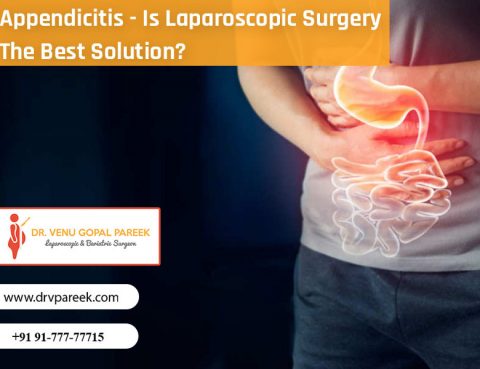
The appendix is a small worm-like structure attached to the cecum, the initial part of the large intestine, in the lower right corner of the stomach. In the first few years of life, the appendix acts as part of the immune system but has no known function. Sudden inflammation of the appendix is known as…
Obesity is linked to many endocrine disorders associated with hormonal imbalance and resistance. Some of these disorders are thought to contribute to the development of obesity, while others are considered secondary effects of obesity and usually resolve after weight loss. Hormones play an important role in appetite, metabolism, body fat distribution, and excess energy storage…

The world is dealing with a new virus known as Coronavirus Disease 19 or COVID-19. COVID-19 spreads rapidly from person-to-person via contact. It can stay alive and become infected on surfaces for several days. COVID-19 is causing our hospitals and health systems to be burdened by the number of people who are critically ill. If…
According to WHO guidelines, if the BMI is greater than 35, then a person is morbidly obese. Bariatric surgery is an operation that helps obese people lose weight. The cost of bariatric surgery in India ranges between Rs. 2 to Rs 5 lakhs, and the implants alone cost around Rs. 1.25 lakhs. dr venu gopal…
More than 600,000 surgeries are performed in India each year to treat various intestinal diseases. Patients undergo colon surgery for several conditions, such as colon cancer, polyps, inflammatory bowel disease, Crohn’s disease, ulcerative colitis, and diverticulitis. Removing a piece or the entire colon is known as a colectomy. Colon cancer remains the second leading cause…

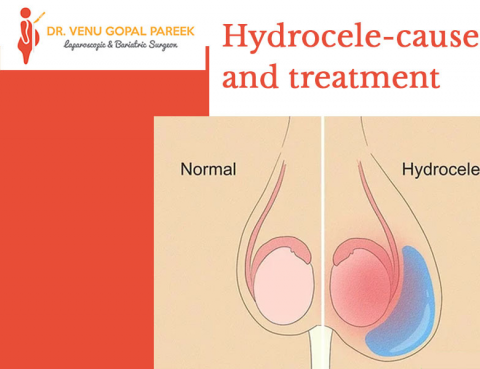
Hydrocele is a condition where fluid builds up in the scrotum. Most of them develop for no apparent reason and are harmless. If necessary, minor surgery can usually fix the problem. In some cases, hydroceles are caused by major testicular inflammation. Hydrocele occurs most often in infants. Nearly 10 per cent of men are born…

With the worldwide fear of COVID-19 (or the coronavirus), it’s no surprise that people with pre-existing medical conditions such as obesity may feel more anxious than usual. It is completely natural and understandable. The virus is rapidly taking over the world, and researchers are struggling to find out how it works, who is most at…
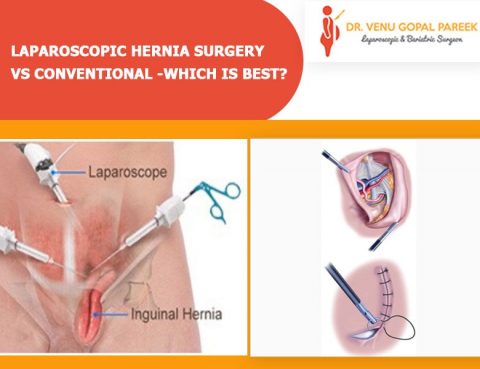
A hernia occurs when adipose tissue or an organ pushes a weak spot into the surrounding connective tissue or muscle wall. Hernias usually don’t heal on their own. They tend to get bigger. In rare cases, they can lead to life-threatening complications. This is why doctors often recommend surgery. However, not every hernia needs to…
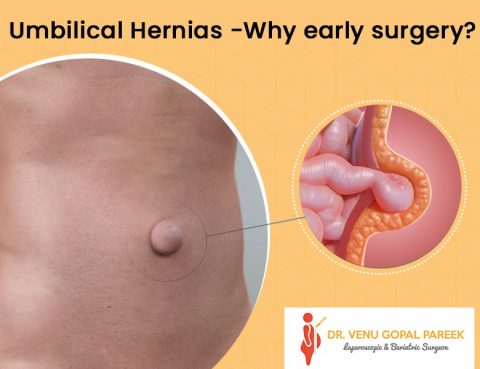
One of the first things parents look forward to is for the belly button to heal. After a week or two of careful treatment, the umbilical cord dries and falls off without infection, leaving the umbilicus open. The belly button is a concern if it looks enlarged. While the baby is in the womb, the…